

Focus on Tasks, But Lead With Outcomes
I’ve spent years coaching sales teams and leaders, and one pattern keeps showing up. We get caught in the checklist. Calls, emails, proposals, meetings. The daily grind of activity.
Those tasks matter. They keep the wheels turning. But if you only measure success by the number of boxes checked, you miss the bigger picture. Growth does not come from activity alone. It comes from clarity of vision and the benefits that vision creates.
A Real Example of Growth Thinking
Let’s say you want to double your business this year. Or maybe you’re aiming for a 20 percent increase. At first glance, that feels overwhelming. The natural instinct is to ask, “What tasks do we need to add?” More calls, more emails, more meetings.
But doubling your business is not about doubling your tasks. It’s about redefining the benefit of growth. What will doubling revenue do for your company? Will it allow you to expand into new markets? Will it give your team more resources? Will it create stability for the next five years?
When you focus on the benefit, you start to think differently. You stop assuming you have to grow the way you always have. Sometimes you need to break old patterns to free yourself from limitations.
The Lesson: Benefits Drive Strategy
Tasks are tactical. Benefits are strategic.
When leaders focus only on tasks, they recycle yesterday’s behaviors with a new spin. That rarely produces breakthrough results. Instead, the mindset must shift to outcomes.
Benefits create clarity. They give meaning to the work. They inspire urgency. And they help you assign roles and responsibilities with purpose.
Think about it this way. If the benefit is market expansion, then the tasks should align with building relationships in new regions. If the benefit is customer retention, then the tasks should align with improving service and loyalty programs. The benefit defines the direction. The tasks simply follow.
The Trap of Task Obsession
It’s easy to fall into the trap of task obsession. You feel productive when you check boxes. You feel busy when your calendar is full. But busyness is not the same as progress.
I’ve seen leaders push their teams to “do more” without asking if the work connects to the benefit. The result is burnout and frustration. People work harder but not smarter. The company stays stuck in the same cycle.
The real challenge is to stop asking “What do we need to do today?” and start asking “What will tomorrow look like if we achieve this benefit?”
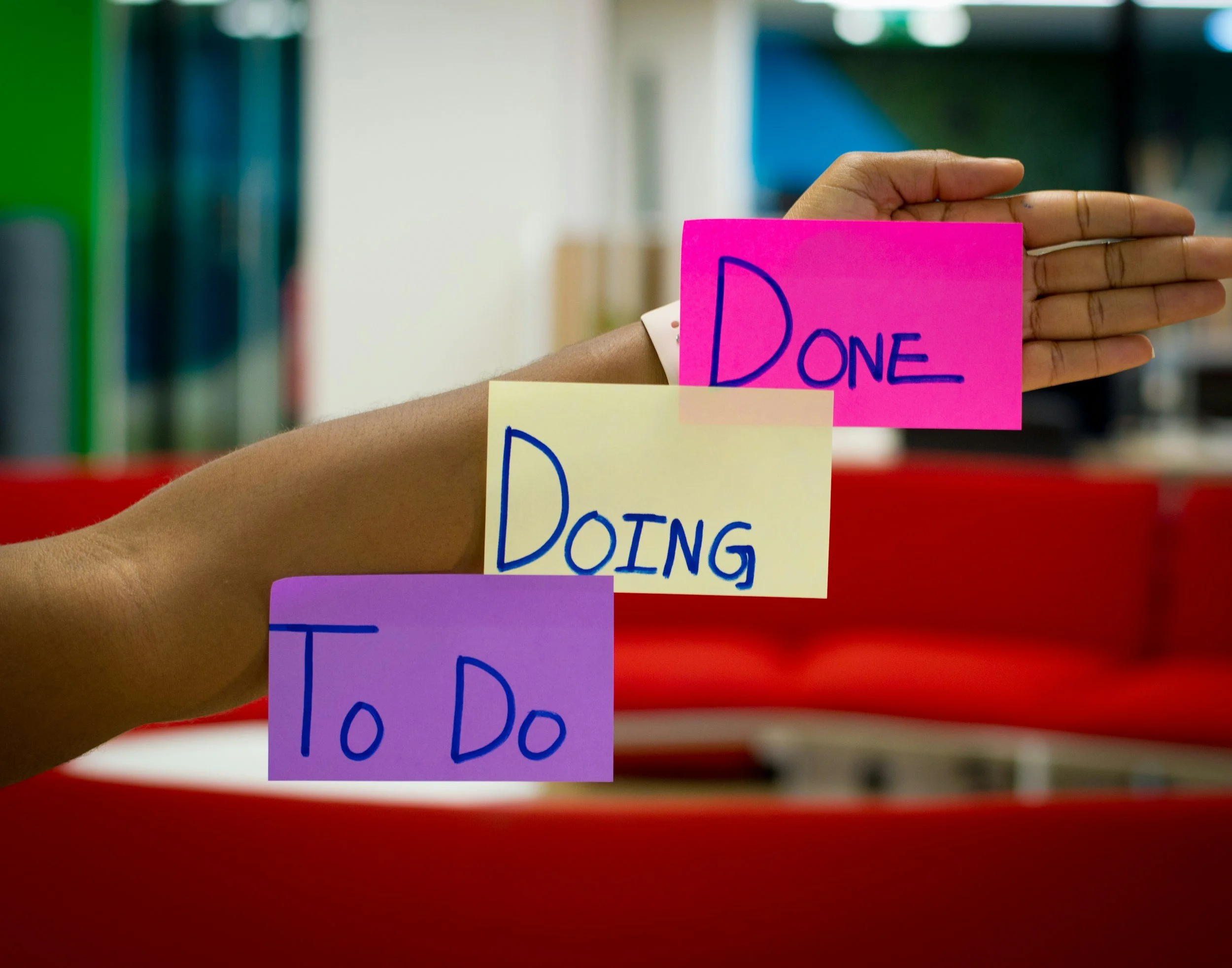
How to Shift Your Focus
Here’s how to put this into practice:
Start with the benefit. Define the outcome you want to achieve.
Ask if the juice is worth the squeeze. Will the benefit justify the effort?
Challenge assumptions. Stop believing you must grow the way you always have.
Assign tasks only after the benefit is clear. Let the outcome drive the activity.
This shift requires discipline. It’s not about ignoring tasks. It’s about putting them in the right order. Benefits first. Tasks second.
Expanding the Vision
Let’s go deeper with the example of doubling your business. If you only focus on tasks, you’ll likely push for more sales calls, more proposals, and more marketing campaigns. That might move the needle, but it won’t transform the business.
If you focus on the benefit, you might realize that doubling revenue allows you to invest in technology that automates half your current workload. Or it allows you to hire specialized talent that opens new markets. Or it positions you to acquire a competitor.
Each of those benefits changes the way you assign tasks. Instead of doubling activity, you redesign activity. You align tasks with the strategic benefit.
The Role of Leadership
Leaders must set the tone. If you only talk about tasks, your team will only think about tasks. If you talk about benefits, your team will start to connect their work to outcomes.
This is where coaching shifts from tactical to strategic. Instead of asking, “Did you make your calls today?” ask, “How did your calls move us closer to the benefit we’re aiming for?” That small change reframes the conversation. It connects activity to vision.
Breaking Old Patterns
Growth often requires breaking old patterns. If you’ve always relied on the same sales process, the same marketing channels, or the same customer base, you may need to disrupt yourself.
That disruption feels risky. But it’s often the only way to unlock new benefits. If you want tomorrow to be brighter than today, you cannot keep repeating yesterday’s tasks.
Practical Applications for Your Business
Here are three ways to apply this thinking right now:
Define one benefit for the next quarter. Write it down. Share it with your team. Make sure everyone knows the outcome you’re aiming for.
Audit your current tasks. Ask which ones directly connect to the benefit. Eliminate or redesign the ones that don’t.
Measure progress by outcomes, not activity. Track the benefit achieved, not just the tasks completed.
This approach creates alignment. It ensures that every task serves a purpose. It keeps your team focused on the destination, not just the vehicle.
Putting it All Together
When you step back, the message is simple but powerful. Tasks are the mechanics. Benefits are the meaning. If you only focus on tasks, you risk spinning your wheels. If you focus on benefits, you create direction, energy, and alignment.
Think about your own business right now. What is one outcome you want to achieve in the next year? Maybe it’s doubling revenue. Maybe it’s expanding into a new market. Maybe it’s building a stronger team culture. Whatever the benefit, write it down. Make it visible. Share it with your team.
Once the benefit is clear, the tasks fall into place. You know what roles to assign. You know what activities matter. You know what to measure. The benefit becomes the filter for every decision.
This is how leaders move from survival to scale. They stop reprocessing yesterday’s tasks and start creating tomorrow’s benefits. They dream bigger, challenge assumptions, and build outcomes that matter.
So here’s the call to action. Stop asking “What do we need to do today?” Start asking “What benefit will we create tomorrow?” That shift changes everything. It transforms the way you lead, the way your team works, and the way your business grows.