

How Can You Improve Sales Performance? Start by Listening to Practitioners
Every sales leader and small business owner eventually asks the same question: how can you improve sales performance? The easy answer is to buy tools or follow playbooks. But the real answer comes from the people who use those tools every day.
I learned that lesson years ago while helping my son with a school project. He had to build a bridge out of popsicle sticks. The instructions looked simple: glue the sticks in a certain pattern, let them dry, and you would have a sturdy bridge.
Halfway through, we realized the design didn’t hold up the way the paper said it would. My son adjusted the angles, added a few extra supports, and suddenly the bridge was strong enough to hold a stack of books.
The instructions gave us the theory, but it was the person actually building the bridge who figured out what worked in practice. Sales works the same way. Tools and playbooks give us the plan, but the practitioners, the people making the calls, sending the emails, and logging into the CRM, know what really works.
So if you’re asking yourself how can you improve sales performance, the answer starts with listening to the practitioners.
The Scheduling Tool Analogy
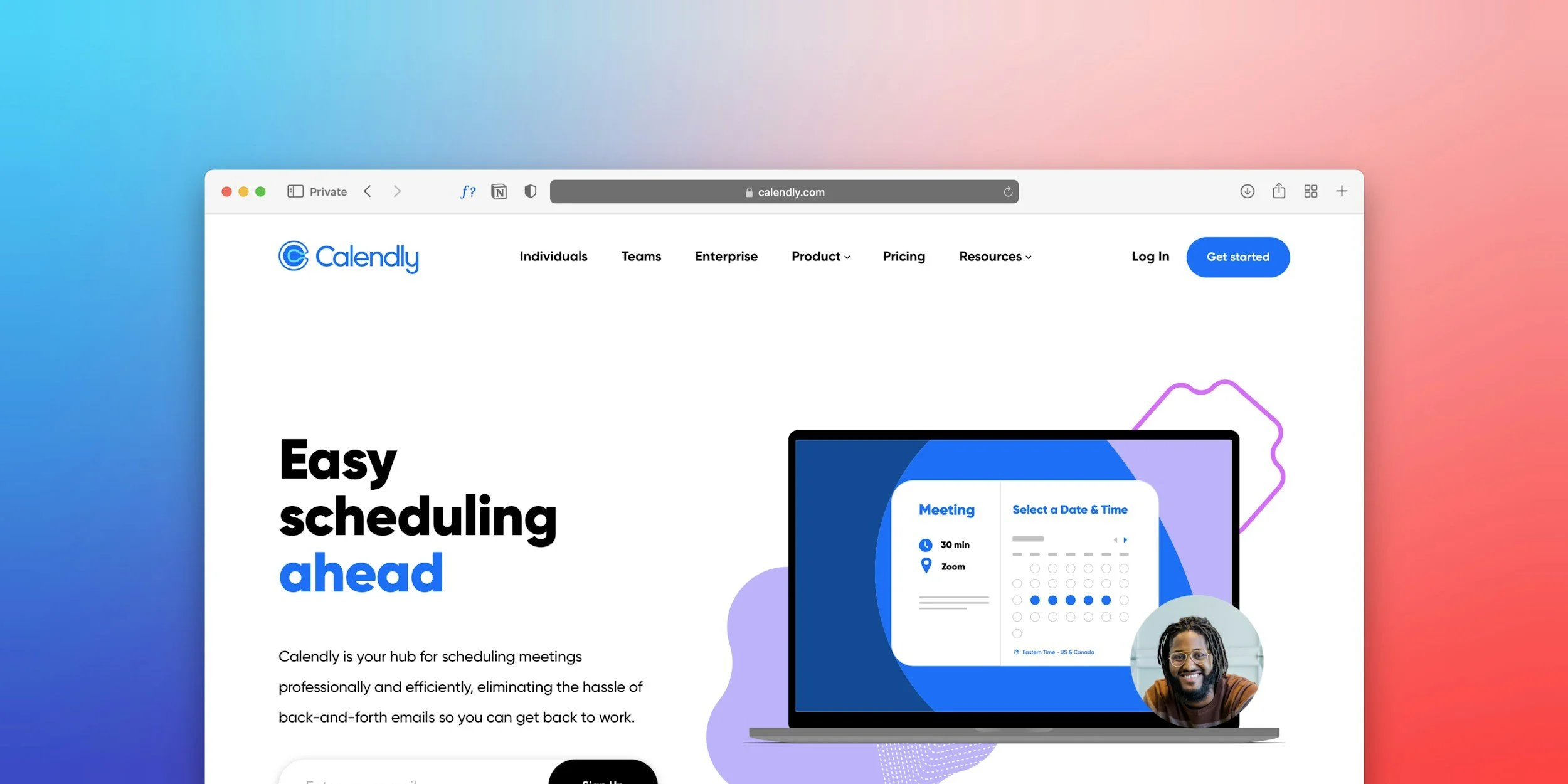
Digital marketing scheduling tools are a good example. On paper, they promise efficiency and consistency. Load up your posts, set the times, and let automation do the work.
But ask a social media manager who uses one every day, and you will hear a different story. They know which features save time, which ones are clunky, and which ones they ignore. They have hacks for batching posts and lessons about when automation backfires.
The practitioner knows more than the tool creator because they live with the consequences of every click. Sales is no different.
Sales Is No Different
If you’re a small business owner doing sales yourself, you’re the practitioner. You know which outreach emails get responses, which follow-up cadence feels natural, and which CRM fields are actually worth filling out.
If you’re a sales leader building a team, your reps are the practitioners. They are the ones on calls, sending emails, and logging notes. They know which scripts land, which objections derail deals, and which “best practices” do not fit your industry.
Ignoring their insight is the fastest way to stall performance. Listening to them is the fastest way to improve it.
The Gap Between Strategy and Reality
As a fractional VP of Sales, I see this gap all the time. Leadership sets a strategy, buys a tool, and rolls out a process. But the frontline experience doesn’t match the plan.
The CRM workflow looks great in a demo, but reps find it slows them down.
The outreach cadence is “industry standard,” but prospects in your niche respond differently.
The reporting dashboard shows activity, but not the context that explains why deals stall.
When leaders ask, how can you improve sales performance, the answer isn’t “buy another tool.” It’s “close the gap between strategy and reality by listening to practitioners.”
Why Practitioners Know More
Practitioners aren’t just users. They’re the ones who:
Discover the real strengths and weaknesses of tools.
Create workarounds that make systems usable.
Spot patterns in prospect behavior that no dashboard reveals.
Know when a “best practice” fits and when it doesn’t.
Their lived experience is the most valuable data point you have.
Practical Steps to Improve Sales Performance
Here are a few ways leaders can harness practitioner insight:
Ask for feedback early: Involve practitioners in tool decisions and process design. Their input prevents wasted effort.
Observe the workflow: Watch how reps use the CRM. Listen to their calls. See where they improvise. Observation reveals friction points.
Celebrate workarounds: Workarounds are not “off process.” They’re innovative. Document and share them.
Translate insight into strategy: Adjust cadences, remove useless CRM fields, and refine processes based on practitioner feedback.
Model vulnerability: Share your own lessons learned. Vulnerability builds trust and signals it is safe to share imperfect experiences.
For Small Business Owners Doing Sales Themselves
If you’re still the one sending emails and making calls, remember: you are the practitioner.
Your insights are gold. Document what works, capture objections, and note prospect patterns. This becomes the foundation of your sales playbook. It is the most practical answer to how can you improve sales performance when you hire your first rep.
For Sales Leaders Building a Team
If you’re leading reps, your job is to listen. The best leaders do not just hand down playbooks. They co-create them with their teams.
When reps feel heard, they engage. When their insights shape the process, they adopt it. And when leadership respects practitioner knowledge, trust grows. That’s how you improve sales performance sustainably.
Putting it All Together
Tools matter. Strategy matters. But neither will succeed without practitioner insight.
So if you’re asking yourself, how can you improve sales performance, start by listening to the people who know the most: the practitioners.
As a fractional VP of Sales, my role is to bridge this gap. I help small businesses and sales leaders take practitioner insight and turn it into scalable systems. Not because I know more than the reps, but because I know how to listen, translate, and build a strategy that reflects reality.
Because at the end of the day, practitioners know more.